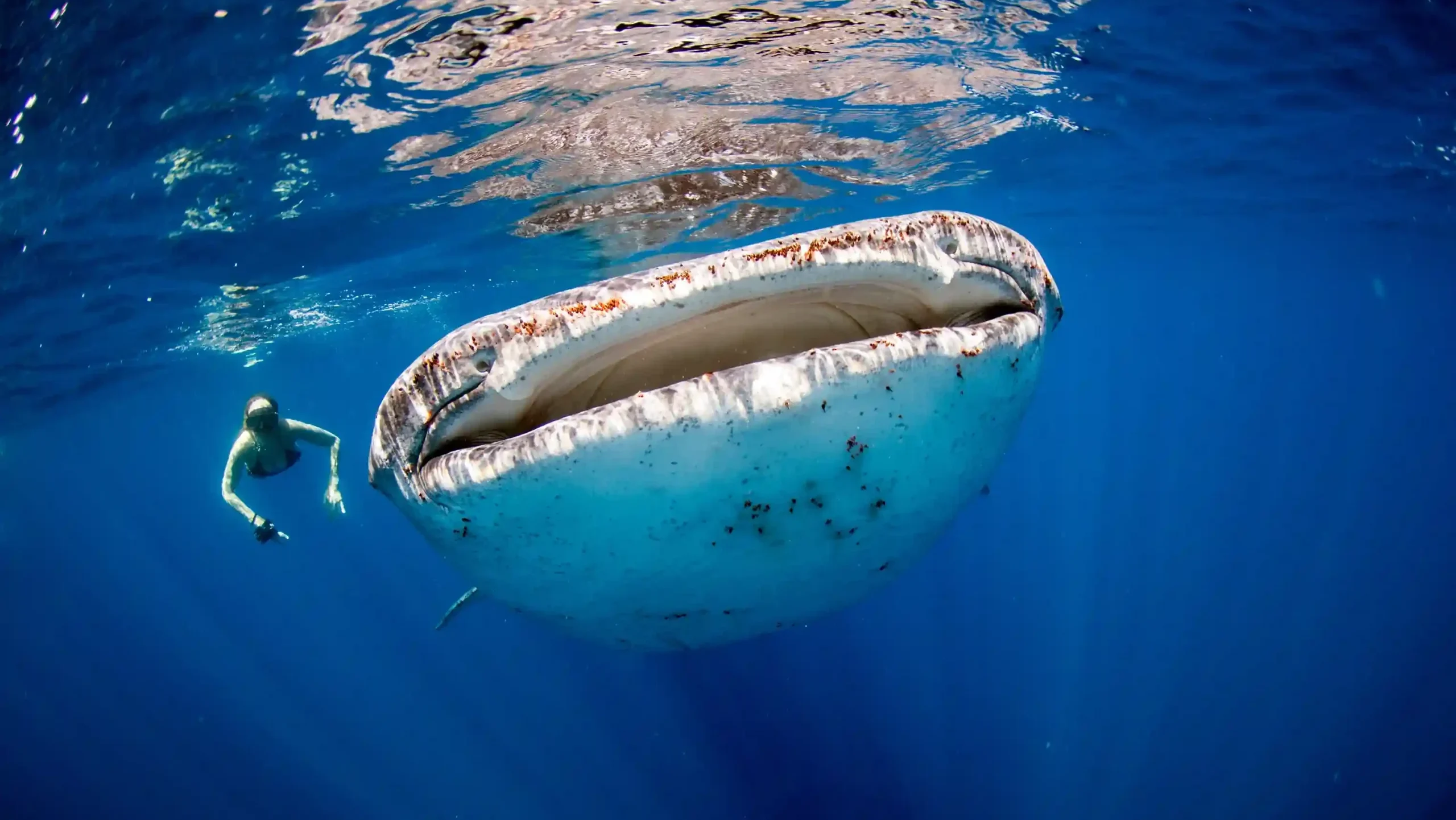
The first time I saw a whale shark in Saleh Bay, I was stunned—not just by its size, but by its presence. It wasn’t just an animal swimming near my boat. It felt like I had just come face to face with the pulse of the ocean, the quiet giant that holds this whole ecosystem together. That moment shifted something in me.
Saleh Bay, tucked on the northern coast of Sumbawa, is not your typical tourist magnet—at least not yet. It’s a hidden world, surrounded by dry hills, small fishing villages, and waters that hold ancient rhythms. And in the heart of that water? The graceful, spotted giants we know as whale sharks.
But here’s what makes this place different: whale sharks aren’t just passing through. They stay. They feed. They return. Again and again. And locals? They’ve been sharing space with these creatures long before outsiders caught on.
A Living Rhythm: Whale Sharks and the Local People
In Saleh Bay, whale sharks aren’t a gimmick. They’re part of life. Many local fishermen have their own names for the sharks. Some believe they bring good luck. Others speak of them like neighbors—respected, observed, and never disturbed unnecessarily.
What’s fascinating is that these whale sharks seem to appear regularly, especially during the season when fishermen set out large nets filled with small fish or shrimp. The sharks don’t seem scared. In fact, they seem curious, sometimes even playful. The fishermen, in turn, allow them to feed, knowing that the sharks are not a threat but a kind of guest—sometimes even a blessing.
It’s this mutual respect, this almost spiritual interaction between humans and nature, that you won’t find just anywhere. You feel it when you arrive. It’s not performative. It’s real.
Whale Shark Behavior That’s Uniquely Saleh Bay
Many places in the world see whale sharks briefly—during migrations or feeding frenzies. But in Saleh Bay, their appearance is more regular, almost predictable. Scientists have started to take note. Some believe it’s linked to the unique ecosystem of the bay: calm, nutrient-rich, and naturally enclosed by surrounding land, making it an ideal haven.
These are not just casual encounters. Here, you can spend time observing the whale shark Sumbawa population in a natural, undisturbed setting. No big crowds. No rushing. Just you, the sea, and these slow-moving marvels.
It’s hard to explain the feeling of being in the water with them. One moment you’re floating, weightless. The next, you feel the soft shadow of a ten-meter-long being pass beside you. It’s both humbling and oddly calming.
More Than Wildlife: Whale Sharks as Cultural Symbols
If you talk to locals, you’ll realize these creatures aren’t just marine life—they’re icons. Over the years, whale sharks in Sumbawa have become tied to the identity of the region. Some village elders speak of legends involving gentle sea giants who guard the bay. While others see them as reminders that humans are guests in nature, not its owners.
And this mindset has shaped the way tourism is growing here. It’s slower, more respectful. There’s a growing push for eco-tourism, not just for the sake of the sharks, but for the entire community.
The tours that bring visitors to meet the whale sharks don’t operate like factories. Instead, they feel more like storytelling sessions with the ocean. Guides explain the behaviors, the patterns, the connection between the sharks and the fishermen. You’re not just snapping photos. You’re learning, witnessing, and feeling something timeless.
The Moment That Stays With You
I remember one particular encounter where I was quietly floating with my snorkel, watching a single whale shark glide just a few meters below me. Its spots shimmered like stars, and the sunlight cut through the water in golden rays. For several minutes, the world narrowed to just this gentle movement, this quiet dance.
When I got back on the boat, no one said much. We didn’t need to. Everyone had that same look on their faces—that mix of awe and reflection. It’s hard to describe, but easy to recognize once you’ve felt it.
Conservation Starts With Connection
One of the things that makes Saleh Bay whale shark tour experiences so different is that they aren’t just built around spectacle—they’re built around connection. With nature. With the sea. And with people.
The team behind Saleh Bay whale shark tour works closely with local communities, prioritizing respectful interaction, sustainability, and small-group experiences. It’s not about rushing tourists in and out. It’s about slowing down enough to really see.
This approach is why word-of-mouth about Saleh Bay has been quietly spreading among responsible travelers. Because here, the experience isn’t manufactured. It unfolds naturally.
If You’re Coming, Come With Curiosity
Don’t come here expecting a loud, polished tourist destination. Come if you want something quieter. Deeper. A trip that feels more like being let in on a secret than checking off a bucket list.
Bring your curiosity. Bring patience. And bring an open heart—because this part of Sumbawa, with its gentle whale shark encounters, will speak to something inside you if you let it.